
Most website owners spend countless hours trying to rank for a single keyword. They optimize titles, rewrite meta descriptions, and tweak headings repeatedly, hoping Google will reward their efforts.
But here's what many SEO beginners don't realize:
The pages ranking #1 on Google rarely rank for just one keyword. They often rank for hundreds or even thousands of related search terms.
The secret behind this phenomenon is the strategic use of secondary keywords. These supporting keywords help search engines understand your content more deeply while allowing a single page to capture significantly more organic traffic.
In this guide, you'll learn what secondary keywords are, why they matter, how to find them, and how to use them effectively to improve your SEO performance.
What Are Secondary Keywords?
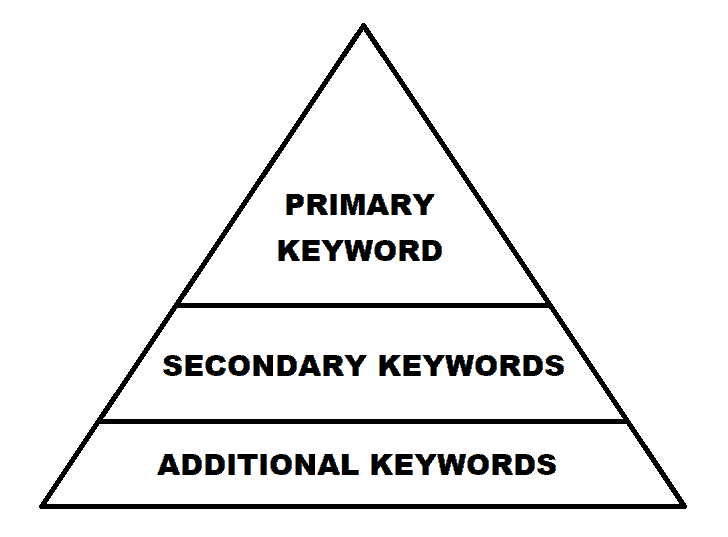
Secondary keywords are search terms that support your primary keyword. They share the same user intent but are expressed using different phrases or wording.
For example, if your primary keyword is "secondary keywords", related secondary keywords might include:
- Related keywords
- Keyword variations
- Semantic SEO keywords
- Keyword clustering
- Keyword mapping
- Supporting keywords
Instead of creating separate pages for every variation, you can naturally incorporate these terms into one comprehensive article.
Why Secondary Keywords Matter for SEO
Google has evolved far beyond exact-match keyword optimization. Modern search algorithms evaluate context, relevance, topical authority, and user intent.
When your content includes related terms and supporting concepts, search engines gain confidence that your page thoroughly covers the topic.
This often leads to:
- Higher rankings
- More keyword visibility
- Improved topical authority
- Increased organic traffic
- Better AI search visibility
How to Find Secondary Keywords
Finding secondary keywords doesn't require guesswork. Several proven methods can uncover the terms already helping competitors rank.
1. Analyze Top-Ranking Pages
Search your primary keyword and study the top-ranking results. Pay close attention to recurring phrases, headings, and subtopics.
2. Use Keyword Research Tools
Tools such as Ahrefs, Semrush, and Moz can reveal hundreds of keyword opportunities that share similar search intent.
3. Review Google's Related Searches
Google's autocomplete suggestions and "People Also Ask" sections provide valuable insights into how users search for your topic.
Secondary Keywords vs Long-Tail Keywords
Many marketers mistakenly assume these terms are identical.
Long-tail keywords are highly specific search queries with lower search volume, while secondary keywords are supporting terms connected to your primary topic.
A keyword can be both a long-tail keyword and a secondary keyword at the same time.
For example, "how to find secondary keywords for SEO" is both a long-tail keyword and a secondary keyword related to SEO content optimization.
Keyword Clustering: Taking SEO to the Next Level
Advanced SEO strategies often involve keyword clustering, where related keywords are grouped based on shared search intent.
Instead of targeting individual keywords separately, you build comprehensive content that addresses an entire keyword cluster.
This approach reduces keyword cannibalization and improves content efficiency.
The Role of Secondary Keywords in AI Search
AI-powered search experiences are becoming increasingly important. Search engines now evaluate topics semantically rather than relying solely on exact keywords.
Businesses aiming to improve visibility in AI-generated search results should focus on topical completeness and semantic relevance.
Learn more in our detailed guide: How to Rank in Google AI Overviews
Stay Updated with Industry Trends
SEO continues to evolve rapidly. Attending industry conferences and networking with experienced professionals can provide valuable insights into emerging ranking factors and search trends.
Explore our latest roundup: Ultimate SEO Conferences Roundup
Final Thoughts
Secondary keywords are one of the most overlooked opportunities in modern SEO.
Rather than focusing on a single search term, successful pages build authority around an entire topic. By strategically incorporating related keywords, covering relevant subtopics, and satisfying user intent, you dramatically increase your chances of ranking for hundreds of searches with a single piece of content.
The goal isn't keyword stuffing—it's comprehensive topic coverage.
Master that, and you'll be far ahead of most competitors.